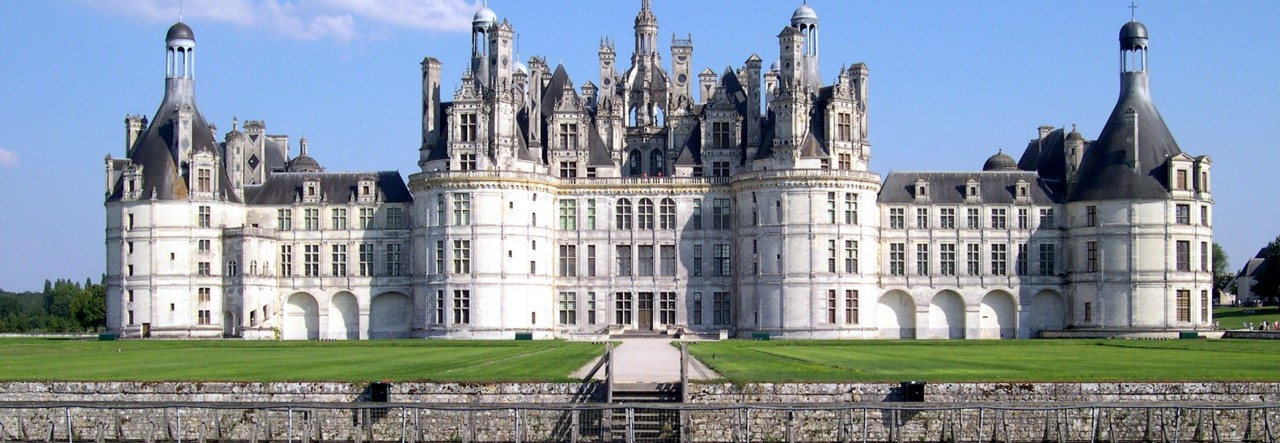
Well here we are in Mont St. Michel. I feel like I’ve known about this place forever – afterall, I did have the jigsaw puzzle as a child! Before we get started, here’s a little history that I hope you’ll find interesting.
Le Mont Saint Michel is an island community in Normandy, located about .6 miles off France’s northwestern coast, at the mouth of the Couesnon River. At 247 acres in size, the island today has a population of 44, compared to a high of just over 1,000 in the mid 1800’s. One of France’s most recognizable landmarks, Mont Saint-Michel and its bay are part of the UNESCO list of World Heritage Sites and more than 3 million people visit each year.
The island has held strategic fortifications since ancient times and since the 8th century AD has been the seat of the monastery from which it draws its name. The structural composition of the town exemplifies the feudal society that constructed it: on top, God, the abbey and monastery; below, the great halls; then stores and housing; and at the bottom, outside the walls, houses for fishermen and farmers.
Historically, its unique position on an island made it accessible at low tide to the many pilgrims to its abbey, but defensible as an incoming tide stranded, drove off, or drowned would-be assailants. Eventually, awareness of the reverse benefits of its natural defense resulted in turning the Mont into a prison. Thereafter the abbey began to be used more regularly as a jail.
The tides can vary greatly, at roughly 46 ft between high and low water marks. Popularly nicknamed “St. Michael in peril of the sea” by medieval pilgrims making their way across the flats, the mount can still pose dangers for visitors who avoid the causeway and attempt the hazardous walk across the sands from the neighboring coast.
Polderization and occasional flooding have created salt marsh meadows that were found to be ideally suited to grazing sheep. The well-flavored meat that results from the diet of the sheep in the salt meadow makes salt meadow lamb a local specialty that may be found on local restaurant menus.
The connection between Mont Saint-Michel and the mainland has changed over the centuries. Previously connected by a tidal causeway, a path uncovered only at low tide, this was converted into a raised, permanently dry, causeway in 1879. In 2006, authorities announced a €164 million project to build a hydraulic dam to make Mont Saint-Michel an island again. The dam project which began in 2009 also included the removal of the causeway and its visitor car park. The new car park on the mainland is located 1.6 miles from the island and visitors can walk or use shuttles to cross the causeway.
In 2014 a new bridge was opened to the public, allowing the waters to flow freely around the island and improve the efficiency of the dam. The new bridge was completely submerged on March 21, 2015, by an extremely high ‘supertide,’ the highest sea level for at least 18 years.
Le Mont-Saint-Michel has long “belonged” to some families who shared the businesses in the town, and succeeded to the village administration. Tourism is the main and even almost unique source of income of the community. There are about 50 shops for 3 million tourists, while only 25 people sleep every night on the Mount (monks included), plus guests in the island’s 6 small hotels.
We’re here!
Getting to the island is a bit challenging. You must find and park in the appropriate parking lot, which in and of itself is a challenge. Then you catch one of the few horse-drawn wagons or one of several buses that go to the “island.” Buses ![IMG_1424[1]](https://frenchgardensblog.com/wp-content/uploads/2016/04/img_14241.jpg?w=300&h=225) are easier to find but they drop you off 1/4 mile from the entrance and you have to walk the last distance – with baggage in tow. We’re spending 2 nights in one of the little hotels right on the island and fortunately our hotel is just inside the drawbridge so we don’t have far to walk once we reach that point. But, and stop me if you’ve heard this before, our room is on the 4th floor and there’s no elevator! It’s deja vous (the only French words I know!) all over again, as Yogi Berra would say. By the time we get here late in the afternoon, people are beginning to leave the island in droves. The tide is coming in and the water is rising and we’re anxious to see if it really will become an island. (Because of the silt, it doesn’t any more.)
are easier to find but they drop you off 1/4 mile from the entrance and you have to walk the last distance – with baggage in tow. We’re spending 2 nights in one of the little hotels right on the island and fortunately our hotel is just inside the drawbridge so we don’t have far to walk once we reach that point. But, and stop me if you’ve heard this before, our room is on the 4th floor and there’s no elevator! It’s deja vous (the only French words I know!) all over again, as Yogi Berra would say. By the time we get here late in the afternoon, people are beginning to leave the island in droves. The tide is coming in and the water is rising and we’re anxious to see if it really will become an island. (Because of the silt, it doesn’t any more.)
Early in the morning, it’s very quiet and the pedestrian streets (duh – they’re all pedestrian streets) are deserted. But once all those busloads of 5th and 6th graders arrive, it’s wall to wall people again. We went up to the Abbey and took a self-guided tour with the audio guides. It was fascinating and beautiful. The lighting is so well done in the Abbey – it makes it even more impressive.
Most of these photos have no captions – I just wanted to show a little bit of what’s here.

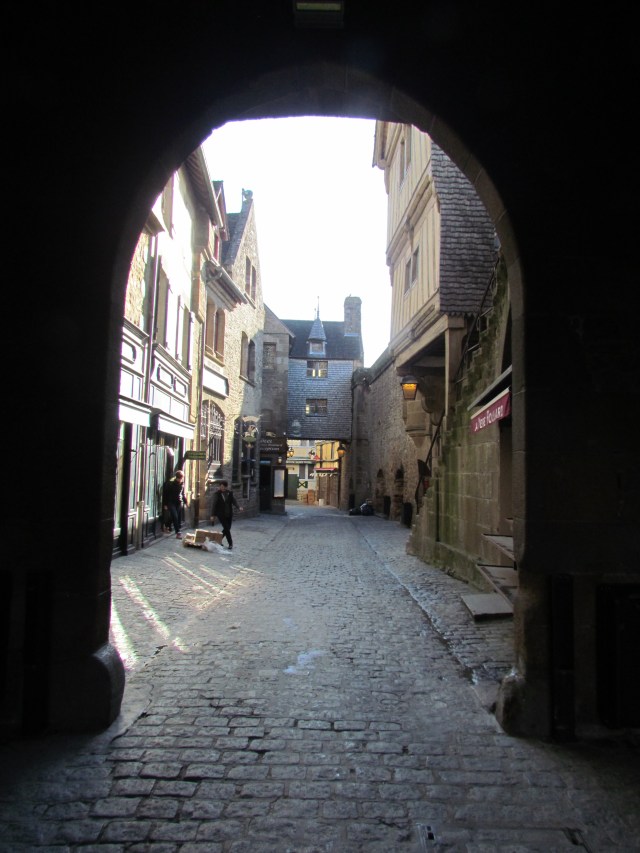


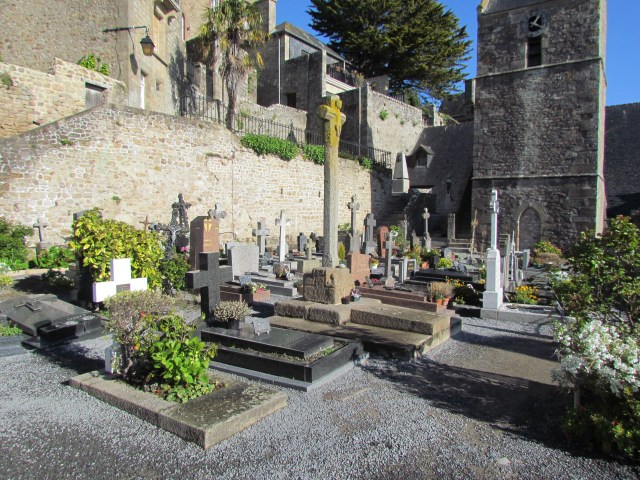
The Abbey
At the top of Mont St. Michel is The Abbey. Benedictine monks started building this abbey on the mount in the 10th century. The heroic resistance of the Mount to English attacks during the Hundred Years’ War in the 14th and 15th centuries made it a symbol of French national identity. Monks left the abbey in 1790, and it was listed as a historic monument in 1874.
![IMG_1273[1]](https://frenchgardensblog.com/wp-content/uploads/2016/04/img_12731.jpg?w=225&h=300)
![IMG_1275[1]](https://frenchgardensblog.com/wp-content/uploads/2016/04/img_12751.jpg?w=640&h=480)
![IMG_1286[1]](https://frenchgardensblog.com/wp-content/uploads/2016/04/img_12861.jpg?w=640&h=480)
![IMG_1288[1]](https://frenchgardensblog.com/wp-content/uploads/2016/04/img_12881.jpg?w=640&h=853)
![IMG_1292[1]](https://frenchgardensblog.com/wp-content/uploads/2016/04/img_12921.jpg?w=640&h=853)
![IMG_1372[1]](https://frenchgardensblog.com/wp-content/uploads/2016/04/img_13721.jpg?w=640&h=853)
![IMG_1374[1]](https://frenchgardensblog.com/wp-content/uploads/2016/04/img_13741.jpg?w=640&h=853)
![IMG_1382[1]](https://frenchgardensblog.com/wp-content/uploads/2016/04/img_13821.jpg?w=640&h=480)
![IMG_1384[1]](https://frenchgardensblog.com/wp-content/uploads/2016/04/img_13841.jpg?w=640&h=480)
![IMG_1297[1]](https://frenchgardensblog.com/wp-content/uploads/2016/04/img_12971.jpg?w=640&h=853)
![IMG_1304[1]](https://frenchgardensblog.com/wp-content/uploads/2016/04/img_13041.jpg?w=640&h=853)
![IMG_1312[2]](https://frenchgardensblog.com/wp-content/uploads/2016/04/img_13122.jpg?w=640&h=853)
![IMG_1320[1]](https://frenchgardensblog.com/wp-content/uploads/2016/04/img_13201.jpg?w=640&h=480)
![IMG_1330[1]](https://frenchgardensblog.com/wp-content/uploads/2016/04/img_13301.jpg?w=640&h=480)
![IMG_1332[1]](https://frenchgardensblog.com/wp-content/uploads/2016/04/img_13321.jpg?w=640&h=853)
![IMG_1343[1]](https://frenchgardensblog.com/wp-content/uploads/2016/04/img_13431.jpg?w=640&h=853)
![IMG_1352[1]](https://frenchgardensblog.com/wp-content/uploads/2016/04/img_13521.jpg?w=640&h=853)
![IMG_1358[1]](https://frenchgardensblog.com/wp-content/uploads/2016/04/img_13581.jpg?w=640&h=853)
![IMG_1361[1]](https://frenchgardensblog.com/wp-content/uploads/2016/04/img_13611.jpg?w=640&h=853)
![IMG_1392[1]](https://frenchgardensblog.com/wp-content/uploads/2016/04/img_13921.jpg?w=640&h=853)
![IMG_1395[1]](https://frenchgardensblog.com/wp-content/uploads/2016/04/img_13951.jpg?w=640&h=480)
![IMG_1396[1]](https://frenchgardensblog.com/wp-content/uploads/2016/04/img_13961.jpg?w=640&h=480)
![IMG_1405[1]](https://frenchgardensblog.com/wp-content/uploads/2016/04/img_14051.jpg?w=640&h=853)
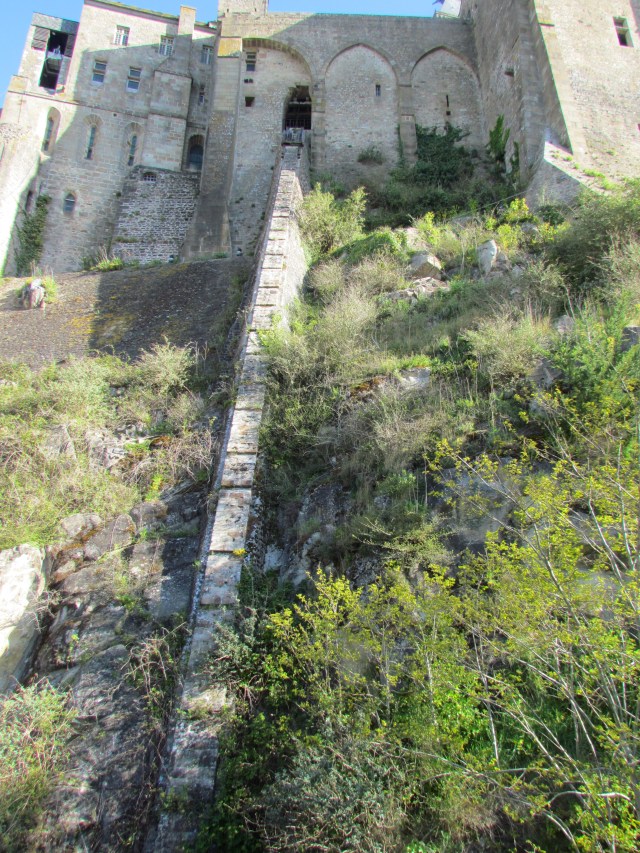

 Springtime in France
This looks like a wonderful place to spend a few days. It would be fun if they would let you investigate all the stairwells and cubby-holes that are bound to be found in a castle that old.
The elevator was quite ingenious and I couldn’t believe all the beautiful archways and tile work on the floors. The door with the little peep-hole was interesting, but where did the other door go, the one with the odd shape?
Wish I was there – it looks like GREAT FUN!!!
LikeLike